

newabbastore
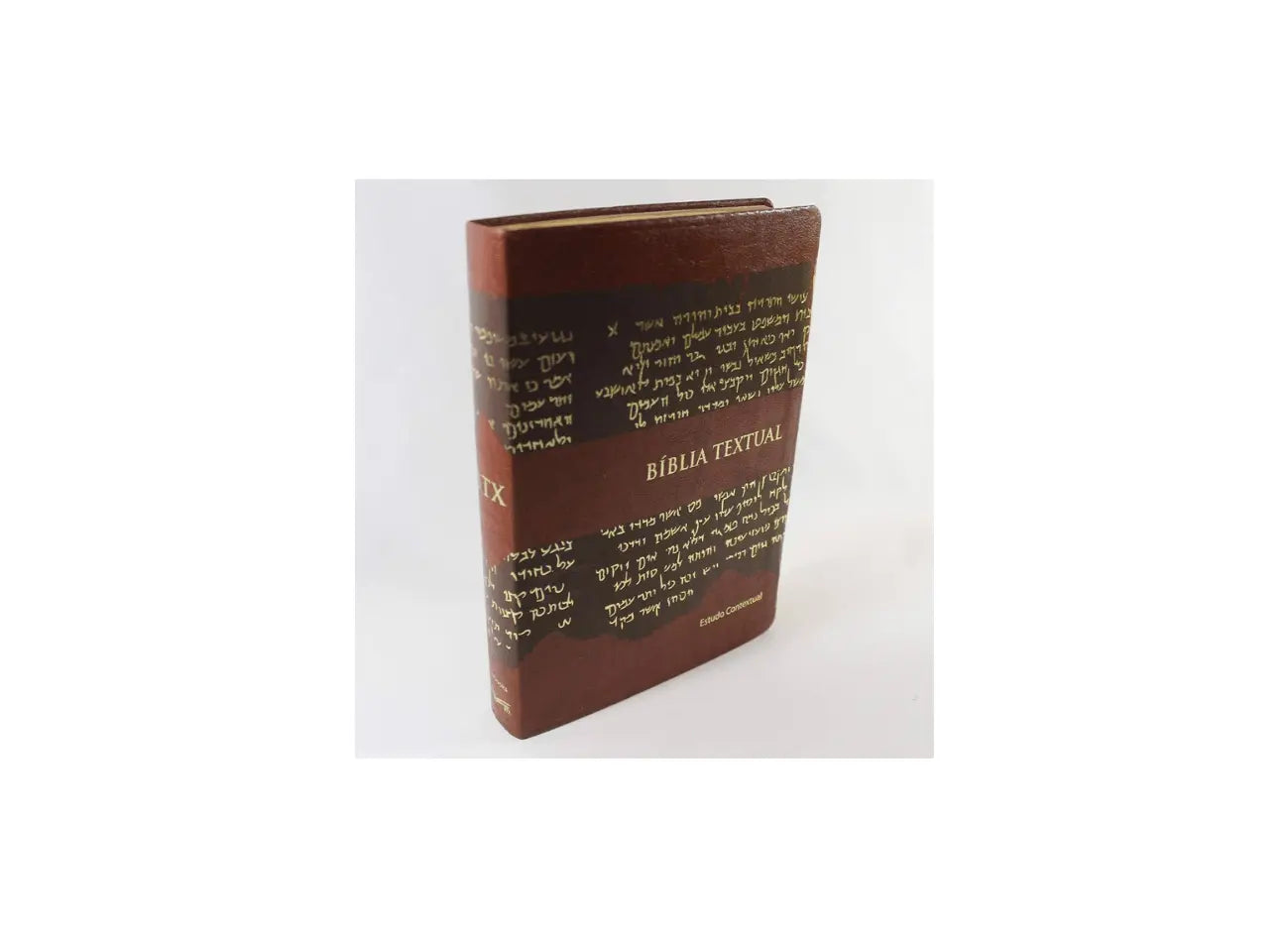
Textual Study Bible | Giant Print | Luxury Brown Cover
Textual Study Bible | Giant Print | Luxury Brown Cover
Couldn't load pickup availability
Textual Study Bible
Before translating the phrases and words of the Holy Scriptures, the interpreter must address a preceding problem: What is the original text of the biblical passage? Such a question must be asked and answered.
Textual Study Bible: Arises due to two facts:
- None of the original manuscripts of the Scriptures exist today;
- The existing copies differ from one another.
Textual Study Bible: As they were written on fragile papyrus, the originals were soon destroyed or lost, and the existing manuscript copies exhibit multiple differences among themselves, called textual variants.
Textual Study Bible: From Job, its oldest book (1500 B.C.), to Revelation (90 A.D.), the texts were written in Hebrew, Aramaic, and Greek over the course of nearly two millennia.
Textual Study Bible: They were produced on three continents: Asia (Minor), Africa, and Europe, by no fewer than 40 authors of different social classes, trades, and professions, most of whom did not know one another. Even so, they addressed themes of extraordinary similarity, especially regarding things to come.
When all this diversity of personality, time, and space coincides so exactly in the fulfillment of its statements, the marvelous unity, authority, and transcendence of the Scripture stand out.
12 good reasons out of 12,000!
- INFORMATION – The BTX informs of word changes, shifts in meaning, grammatical coordination and subordination, verbal divergences, omissions, additions, and interpolations.
- EXPLANATION – It presents emendations to the Hebrew Text, including the 22 alterations made by the Sopherim in the original.
- PECULIARITIES – In linguistically complex passages, it reflects the exact intent of the original.
- FIDELITY – It transmits the original text with absolute fidelity, committed only to the truth.
- EXPRESSIVE – It makes understandable passages that previously caused perplexity.
- TRANSLITERATION – It preserves names and titles of the Deity (and others), including the personal name of God.
- MEANINGS – It explains names, places, and words.
- RELEVANCE – Fidelity to the original language provides greater structural value and precision in translation.
- EXHIBITS – It reveals the richness of Divine Grace related to the eternal security of salvation.
- CONTEXT – It subordinates the translation to the theological context of the biblical passage.
- ARCHAEOLOGY – It presents a new critical focus related to Qumran.
- FORMAT – It maintains the original format of the Bible, with paragraphs and the correct order of verses.